We provide a one-stop service integrating design, production, delivery, installation, staff training and after-sales service for soap making project.
Language
500 kg/h Toilet Soap Production Line Commissioned in Mauritania (2011)
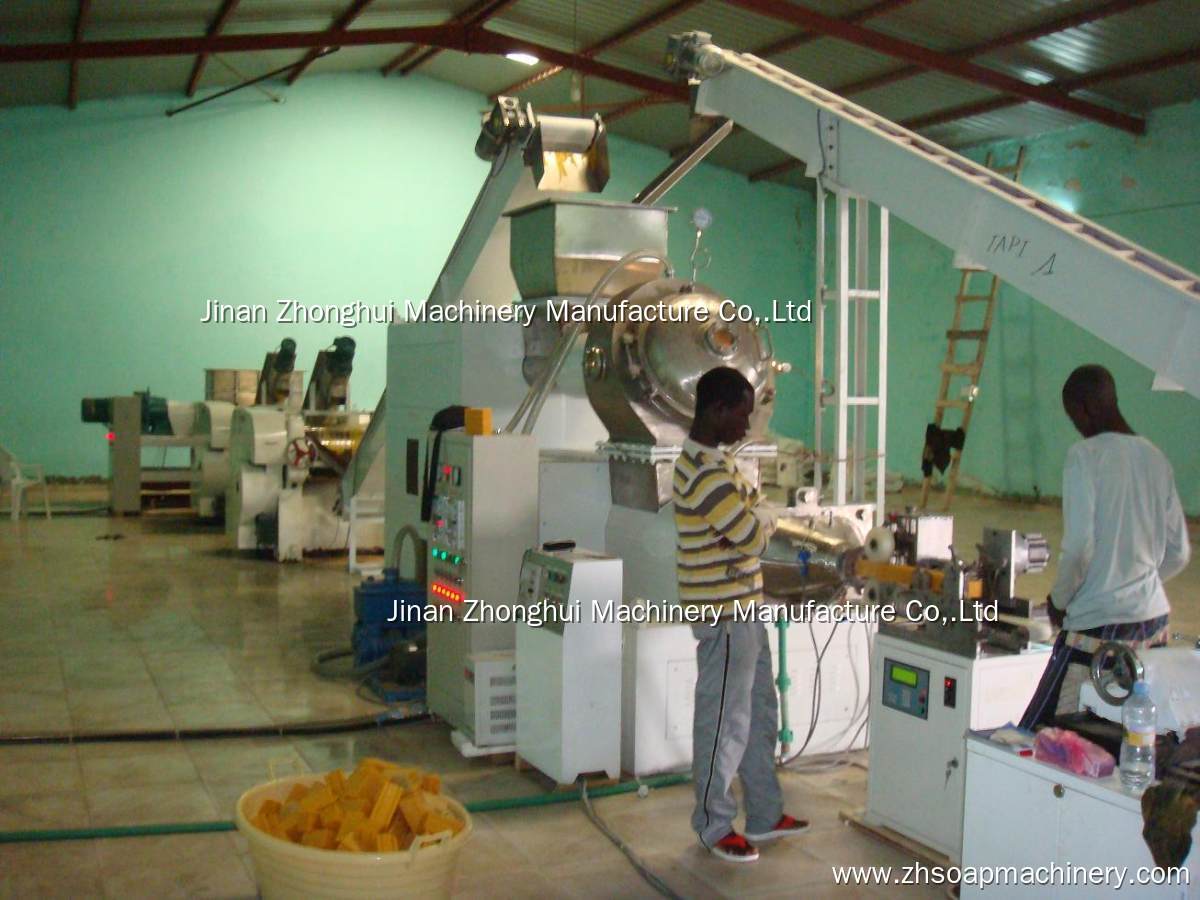
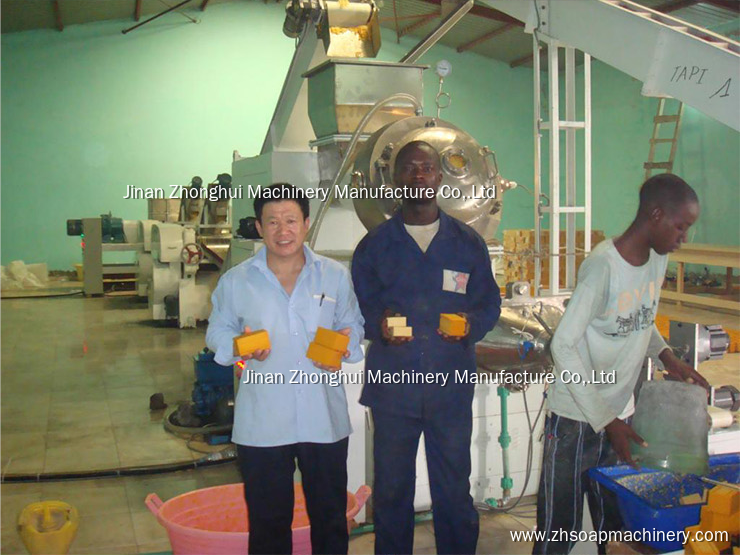
In 2011, a significant milestone was reached in the West African manufacturing sector with the successful installation and commissioning of a professional 500 kg/h toilet soap production line in Mauritania. This project aimed to meet the rising local demand for high-quality hygiene products while reducing reliance on expensive imports.
Project Overview
✨Location: Nouakchott, Mauritania
✨Year of Installation: 2011
✨Production Capacity: 500 kg per hour (Finished Soap)
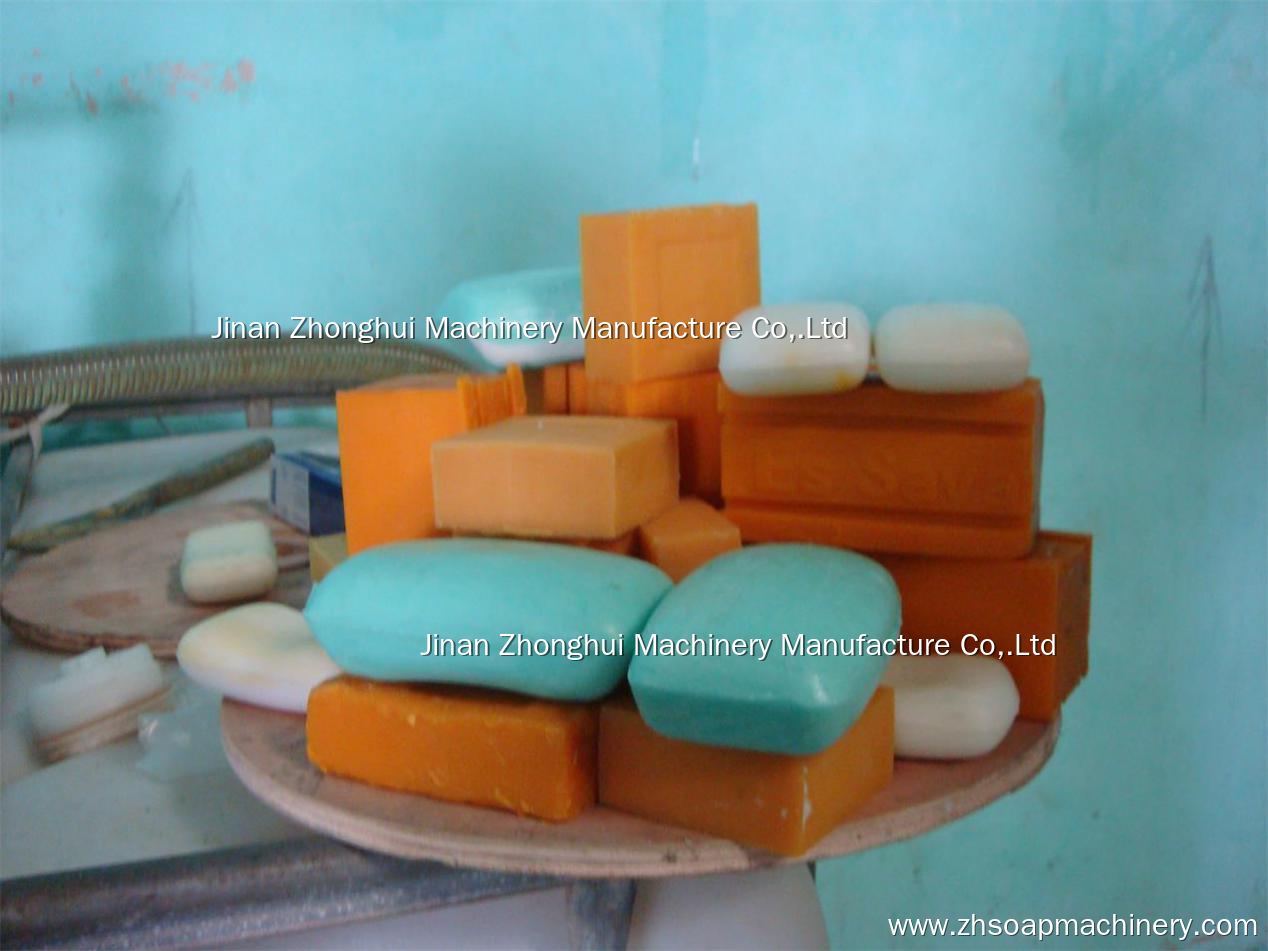
✨Product Focus: Premium toilet soap (scented, colored, and embossed)
Technical Configuration
The production line was designed as a semi-automated system, balancing high output with operational simplicity suitable for the local workforce. The process followed a standard industrial finishing line sequence:
1. Mixing Section: High-performance mixers combined soap noodles with fragrances, pigments, and emollients.`
2. Milling Section: A Three-Roll Mill ensured the refinement of the soap base, creating a smooth, homogenous texture free of grit.
3. Vacuum Plodding: A Double-Layer Vacuum Plodder was utilized to compress the soap flakes into a continuous, dense soap bar, removing air bubbles to prevent cracking.
4. Cutting & Stamping: An electronic pedal-cutting machine or automatic stamper (depending on the specific batch) was used to mold the soap into its final shape with the client’s custom logo.
Challenges and Solutions
👉Environmental Factors: Mauritania’s arid climate and high temperatures required a specialized Chiller System for the plodder jackets and stamping molds to prevent the soap from sticking and ensure a glossy finish.
👉Power Stability: To counter local voltage fluctuations common in 2011, the control cabinets were equipped with stabilized components to protect the motors and frequency inverters.
Impact and Results
Upon completion in late 2011, the factory achieved its target output of half a ton per hour. This project provided several key benefits to the region:
🧼Market Independence: Reduced the price of toilet soap in the local Mauritanian market by approximately 15-20% due to lower logistics costs.
🧼Employment: Created over 20 direct technical jobs and dozens of indirect roles in distribution.
🧼Quality Standards: The soap produced met international standards for TFM (Total Fatty Matter), allowing the client to compete with established global brands.
Conclusion
The 2011 Mauritania project remains a testament to the viability of localized manufacturing in West Africa. By integrating robust machinery with climate-specific modifications, the facility established a blueprint for industrial soap production that continues to serve as a reference for similar scales across the continent.
Year of Installation: 2011
Production Capacity: 500 kg per hour (Finished Soap)
Product Focus: Premium toilet soap (scented, colored, and embossed