We provide a one-stop service integrating design, production, delivery, installation, staff training and after-sales service for soap making project.
Language
How to Start a Soap Factory in the Democratic Republic of the Congo with a $50,000 Budget
A Practical Guide for SME Investors Targeting the DRC Market
1. Why the DRC? The Market Opportunity
The Democratic Republic of the Congo (DRC) represents one of the most promising frontiers for Fast-Moving Consumer Goods (FMCG) in Africa. With a population exceeding 100 million and a rapidly urbanizing middle class, the demand for basic hygiene products is soaring.
According to recent industry data, the DRC soap market is projected to grow at an annual rate of over 11% through 2027 . Unlike saturated markets in Kenya or South Africa, the DRC offers a supply gap. Most soap sold locally is currently imported from neighboring countries (Uganda, Rwanda, Zambia) or manufactured by a few large incumbents. This creates a perfect entry point for small and medium enterprises (SMEs) to capture market share with locally produced, affordable products.
2. The $50,000 Budget Allocation
With $50,000, you cannot compete with multinationals on industrial scale, but you can build a highly profitable semi-automatic or artisanal industrial unit. This budget is ideal for a production line capable of producing 300kg to 500kg of soap per day.
Here is the proposed breakdown of the initial capital expenditure (CAPEX):
| Item | Estimated Cost (USD) | Description |
| Machinery | $28,000 – $48,000 | Mixer, Triple Roll Mill, Vacuum Plodder and soap cutter. |
| Local Installation & Prep | $3,000 – $5,000 | Factory rental deposit (small unit), electrical rewiring (220V/380V), water tanks. |
| Raw Materials (Startup) | $10,000 | at start think about buy soap noodle to start, can buy from local or imported. |
| Packaging | $0 | local market no need packing |
| Logistics & Clearing | $5,000 | Freight from China/South Africa to Matadi or Dar es Salaam port, plus inland to Kinshasa/Lubumbashi. |
| Licensing & Contingency | $4,000 | Unexpected fees, quality testing, and initial operating cash. |
3. Choosing Your Equipment (The "Lean" Setup)
Soap is a cold industry. all over the world ,real soap machine manufacture factory is few. and here not inlcuded all those small lines. such as 50kg per hour, or table machine. all of those are not standard soap machine. can not produce make sure the end soap quality.
Zhonghui mainly customer from African countries, so we try design the small ine for them. but bisic can produce good quality soap. this is our smallest line. and all our soap finishing line soap plodder are all duplex vacuum plodder.
and the screw R/D meet the standard.
today we introduce the line is our smallest line:
300 kg per hour laundy soap finishing lines. capacity: 300-500 kg/hr
this line included:
1>Soap Mixer: mix soap noodle and other additives ,such perfume. colorant etc.
2>Three Roll Mill: this is grind machine, grind all material into 5um. can make soaps more fine.
3>Duplex Vacuum PLodder: all our machine choose this duplex vacuum plodder. this can make sure the end soap qulaity.
and the vacuum space can press the bubbles of all material and can improve the soap density.
4>Soap Cutter: Zhonghui have two kinds soap cutter, for the small line ,we recommend our simplex one. mechanical running no any other power.
Vendor Tip:do not buy those Small Scale Soap Production Line or tabletop" industrial models. actually all of them when you buy it's cheaper but it can not ensure the soap quality also small capacity. during the COVID. SOAP macihne demand is big, so now China have more and more soap fatory there. actually the real soap machine only less than 5. others some do press oils machine.plastic machine, etc.
when you find a factory he can accept the video call, and have many many projects. like our zhonghui machinery. we had export more than 70 countries all over the world. on the year 2008, we start do soap machine, and our first customer from Pakistan. and the second is Nigeria.
not all Made in China is good . choose the professional.
4. Sourcing Raw Materials & Case Study: Leveraging Local Oils
The largest cost driver is raw materials. Traditionally, African soap makers import all their Palm Oil or Soap Noodles. However, the most successful SME strategy is utilizing local agricultural value addition.
Case Study: The Avocado & Coconut Advantage in South Kivu
We
previously worked with a client based in Bukavu who modified their
$50,000 budget to prioritize an oil expeller over a standard mixer.
Instead of importing expensive tallow or palm stearin, they sourced avocado and coconut oils from local farmers.
Research confirms this model is scientifically sound. A 2025 study on saponification in South-Kivu found that solvent-free extraction of avocado and coconut oils yields excellent soap with acceptable alkaline pH (8.7-9.2) and good foaming capacity .
The Result: The client reduced their raw material costs by 30% compared to competitors relying on imported noodles.
The Product: They branded the soap as "100% Natural Congolese Oil," capturing the premium market in Goma and Kinshasa.
The Lesson: If you invest $5,000 in an oil press, you can process local shea butter, palm kernel, or avocado oil, turning a commodity soap into a value-added "natural" product .
5.Sharing with you today's project:
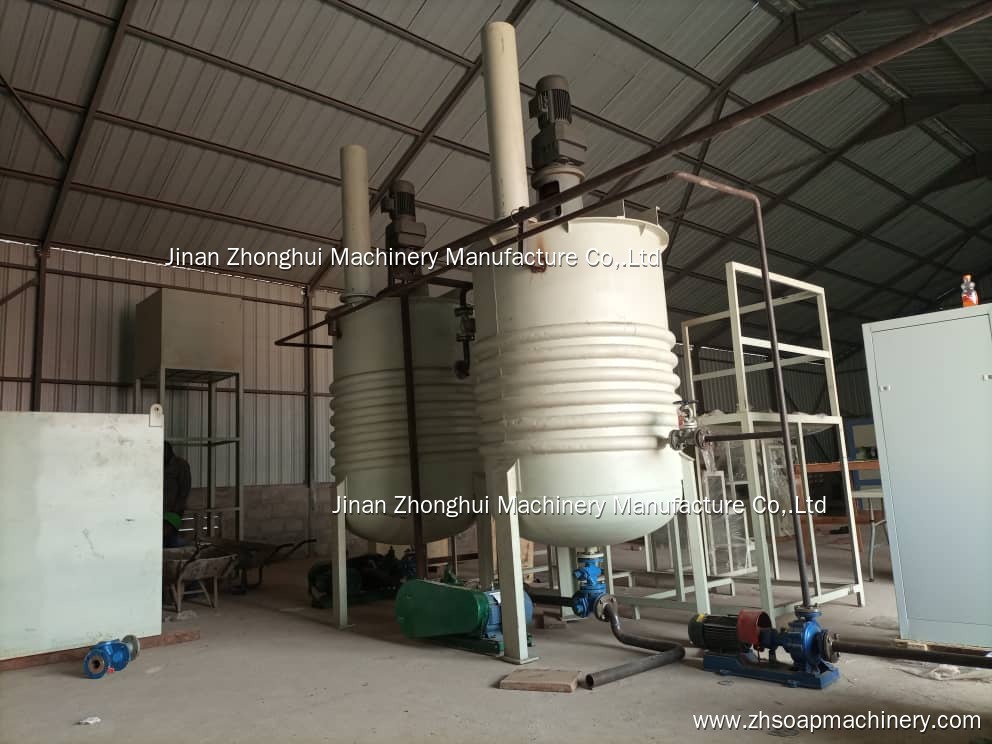
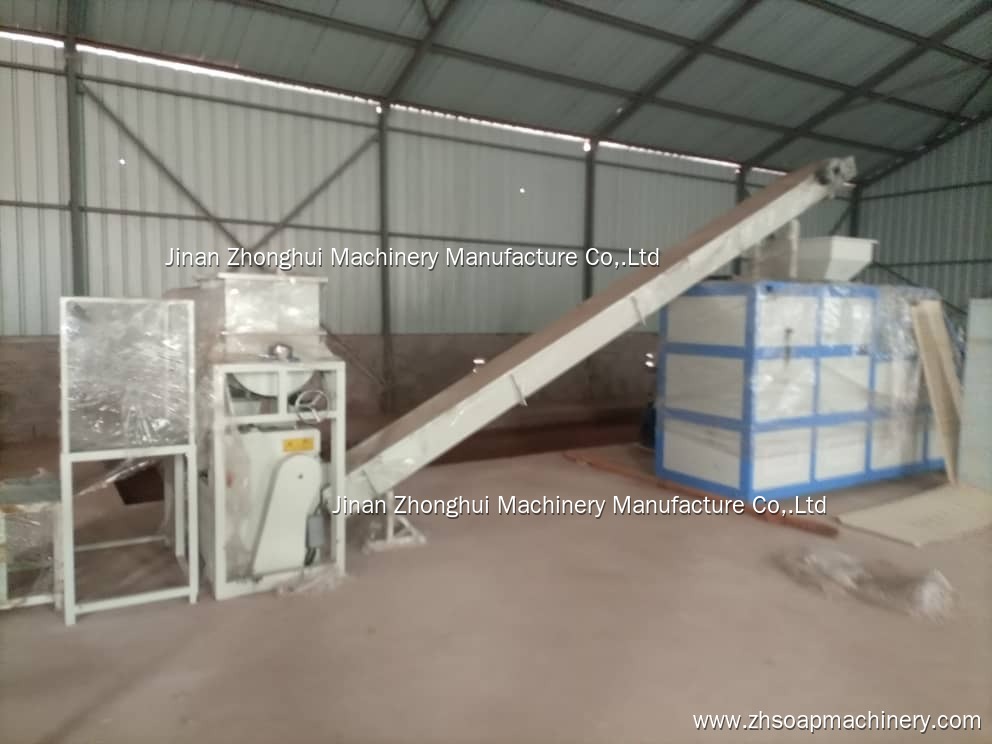
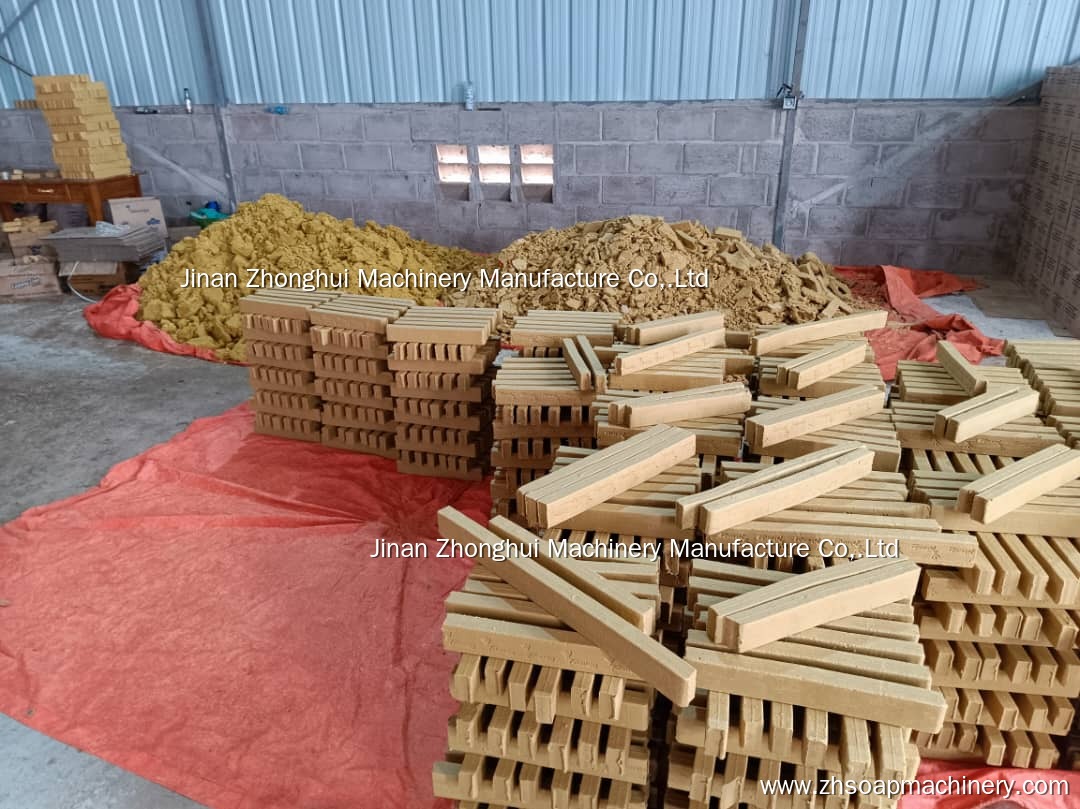
soap flakes
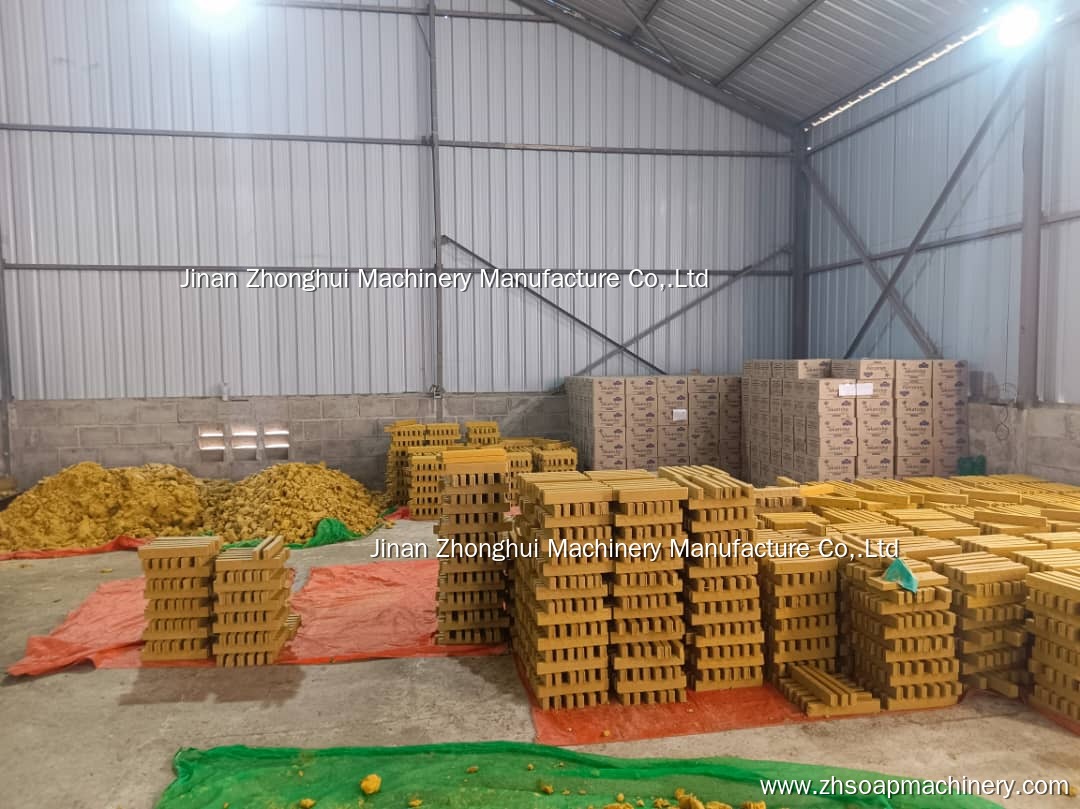
storage soaps
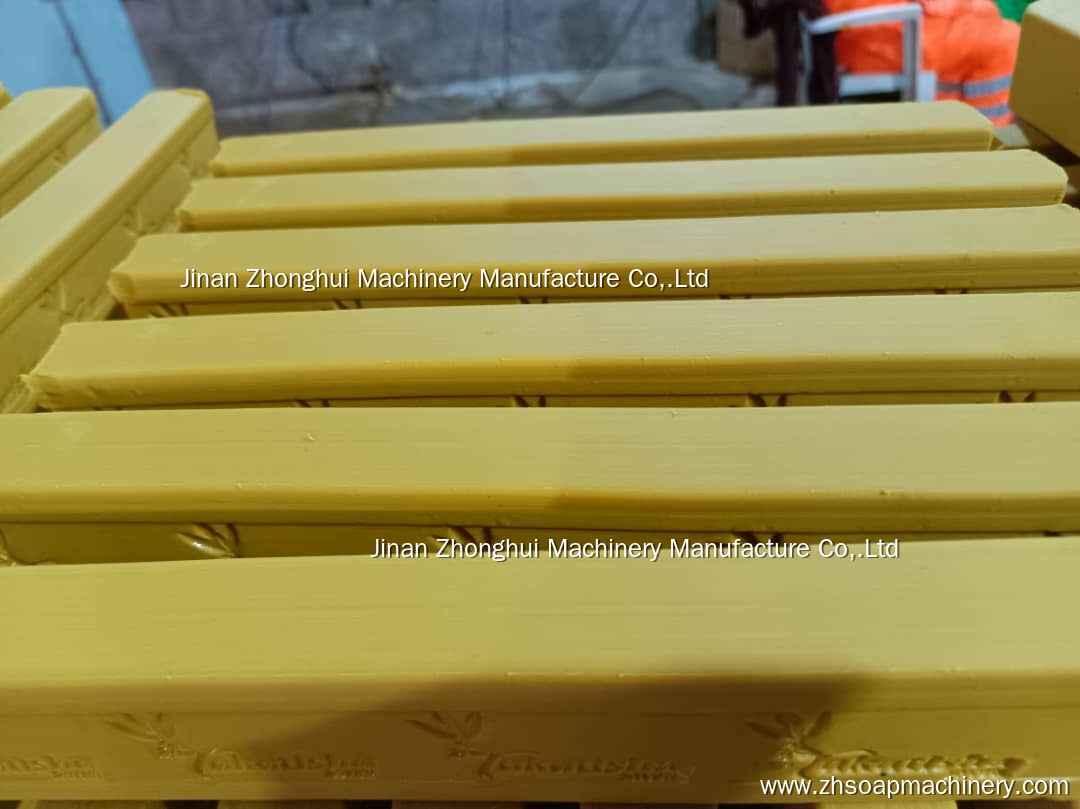
they satify, actually it can cut more good.
6. Logistics: Getting In (The Lobito Corridor Opportunity)
Logistics is the #1 killer of DRC startups. The country is landlocked (except for the small Atlantic coast). Shipping a 20ft container from China to Kinshasa often requires clearing through Matadi port, which is expensive.
New Opportunity: Watch the development of the Lobito Corridor. The World Bank/IFC is currently mapping investments to improve the railway and road links from the Atlantic coast through Lualaba and Haut-Katanga . If you locate your factory in Lubumbashi or along this corridor, logistics will be significantly cheaper than the Kinshasa route.
Conclusion
Starting a soap factory in the DRC with $50,000 is not only feasible but highly strategic. The country imports too much and produces too little. By focusing on semi-automatic machinery and leveraging local agricultural oils (like avocado/coconut) for your formula, you can undercut imported soap prices while offering a "local" product that resonates with consumers.
The key is to start lean, prioritize cash flow with laundry soap, and expand into toilet soap as your brand grows.
Is the DRC ready for your soap? Yes. The 11% growth rate doesn't lie. The only question is: will you capture it?
Talking more about soap making machine and want to know some soap project can contract me: Eileen:+8615666968192