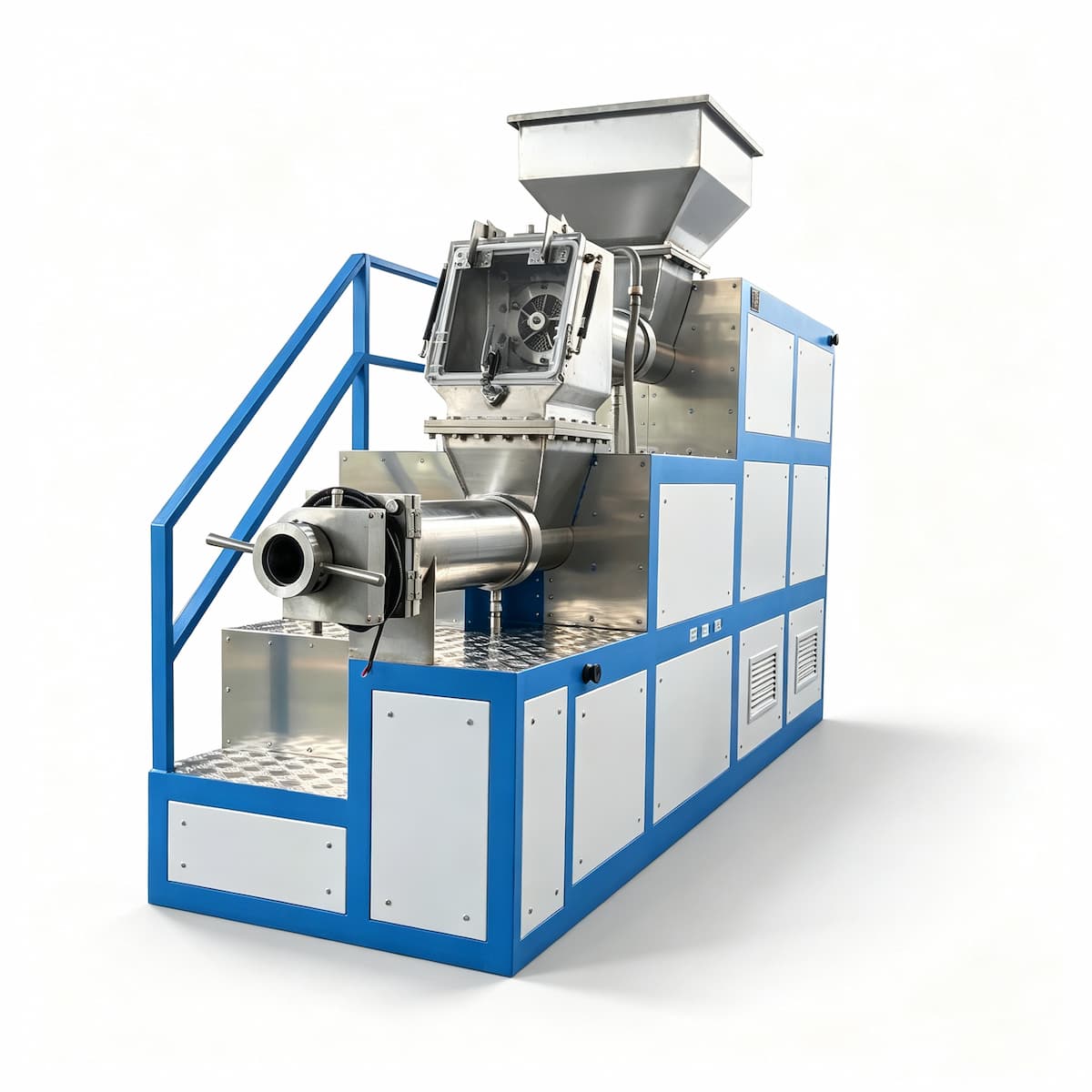
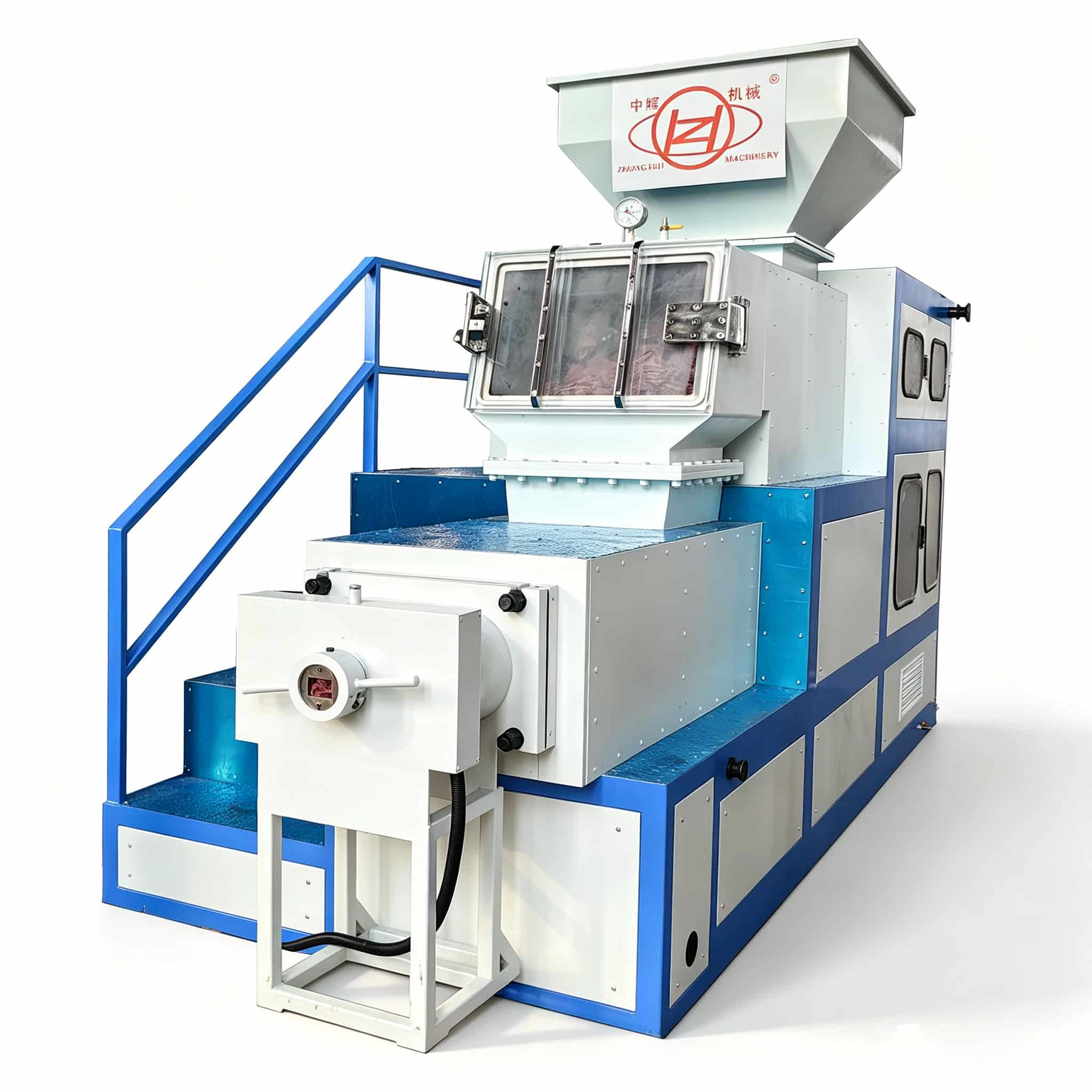
We provide a one-stop service integrating design, production, delivery, installation, staff training and after-sales service for soap making project.
Language
Four Advantages of our soap plodder/pelletizers:
1. The soap plodders are used in soap making, to extrude a soap bar.
2. Plodders are used to refine and/or extrude get soap bar。
3. Soap Plodders are also used to refine and homogenize the soap.
4. Plodder are the most important machine in soap production line.
Description:
The earliest extruders designed for the plastics industry originated in 18th-century Britain during the Industrial Revolution.
Extruders rely on the pressure and shear forces generated by a rotating screw to fully plasticize and uniformly mix materials, which are then shaped through a die.
Extruders are broadly categorized into twin-screw and single-screw types.
Initially, extruders were adapted for applications such as lead pipe manufacturing, food processing (including pasta and brick making), and the ceramics industry. Later, the addition of heated extrusion heads enabled their use for processing materials like wire insulation and plastics.
Our soap plodders utilize this same technology, incorporating upgrades tailored to the specific characteristics of soap formulations.
Working Princel :
Plodding machines are responsible for extruding the soap into continuous bars or noodles, which can then be cut into the desired shapes and sizes, making them ready for the next stage of production.
The process of plodding is typically used to ensure that soap products have the right physical properties. have a smooth, consistent texture and a high-quality finish.
Zhonghui plodders and refines are avaiable in simplex(one stage),duplex(two stage) configuration. Either in single screw or double screw versions ,to satisfy different demand of productivity.
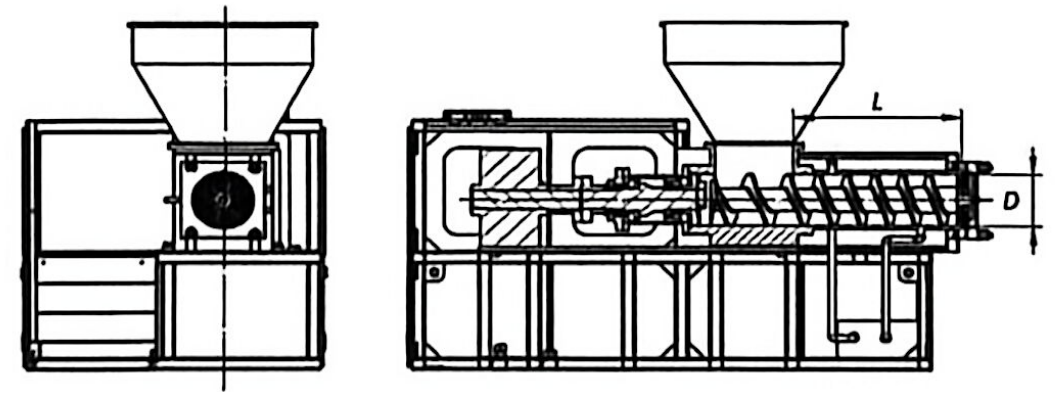
The optimized L/D ratio of screw guarantees the most efficient operation. Producing quality soap, while worms profile had been improved also.
Parallel axis gear boxes assure trouble-free machine operation for many years without problems.
Energy conservation Advantages:
Energy saving in extruders can be divided into two parts: the power section and the heating section.
✅Energy saving in the power section: This mostly involves using frequency converters. The energy saving method is achieved by reducing the excess energy consumption of the motor. For example, if the motor's actual power is 50Hz, but you only need 30Hz for production, the excess energy is wasted. Frequency converters change the motor's power output to achieve energy savings.
✅Frequency conversion is for energy saving.
Energy saving in the heating section: Energy saving in the heating section is mostly achieved by using electromagnetic heaters, with an energy saving rate of approximately 30% to 70% compared to old-fashioned resistance coils.
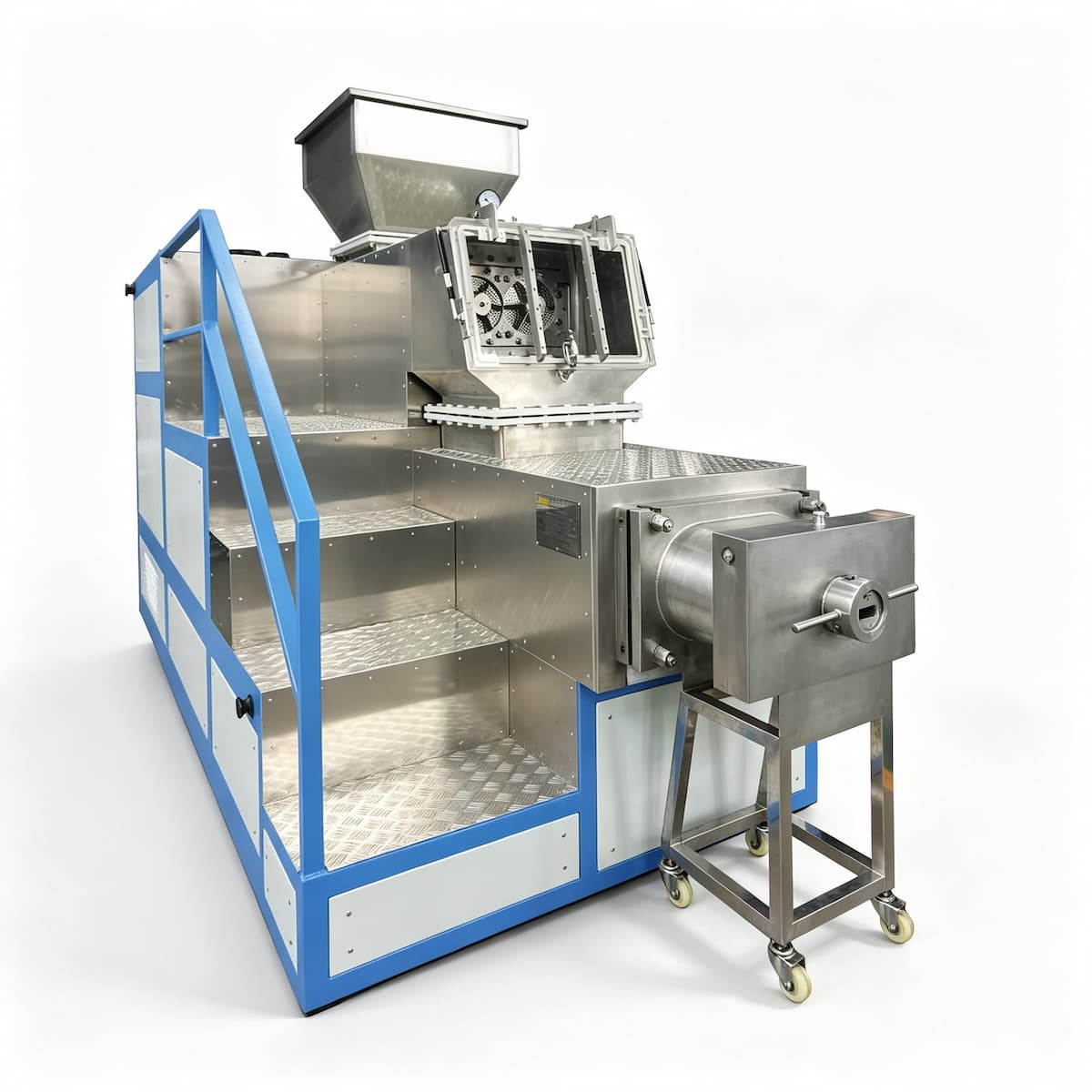
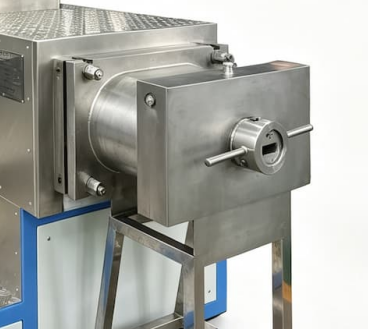
The single-screw extruder was the original and most common type of extruder. It primarily consists of six components: the drive system, feeding device, barrel, screw, extruder head, and die.
Specifically for soap production, we offer customers a range of models—including single-stage single-screw, single-stage twin-screw, two-stage single-screw, and two-stage twin-screw configurations—to meet varying requirements regarding soap quality and production output.
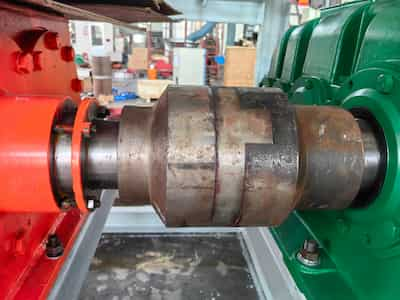
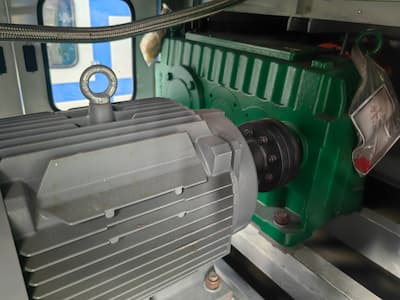
1. Drive motor:
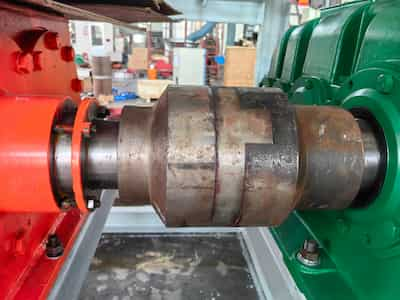
The drive system typically consists of an electric motor, a gearbox, and bearings. During the extrusion process, the screw speed must remain stable and not vary with changes in the screw load, in order to maintain uniform and consistent product quality. However, in different applications, it is also necessary for the screw speed to be adjustable, so that one machine can extrude different plastics or different products.
2. Feeding device:
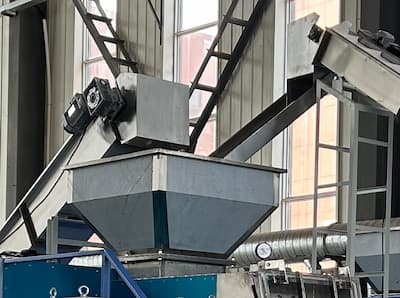
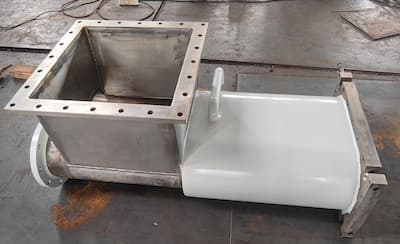
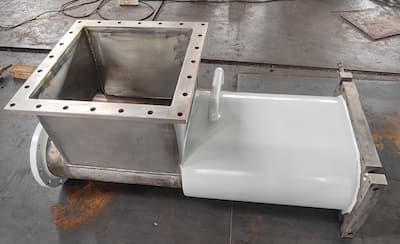
The hopper is conical in shape.
Material is fed via a conveyor belt.
3. Barrel:
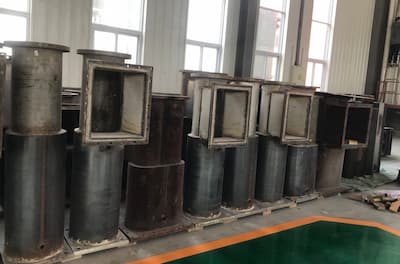
Our barrels are available in carbon steel and stainless steel. They are characterized by high temperature and pressure resistance, as well as robustness, wear resistance, and corrosion resistance. Typically, the barrel length is 15 to 30 times its diameter, ensuring the material is thoroughly ground. The barrel must possess sufficient thickness and rigidity, with a smooth interior surface.
Monolithic (One-Piece) Barrel:
Manufactured from a single piece of material, this design facilitates high manufacturing and assembly precision and simplifies the assembly process.
However, it entails demanding machining requirements and strict equipment standards, and the inner surface is difficult to repair once worn.
4. Screws/Worms:
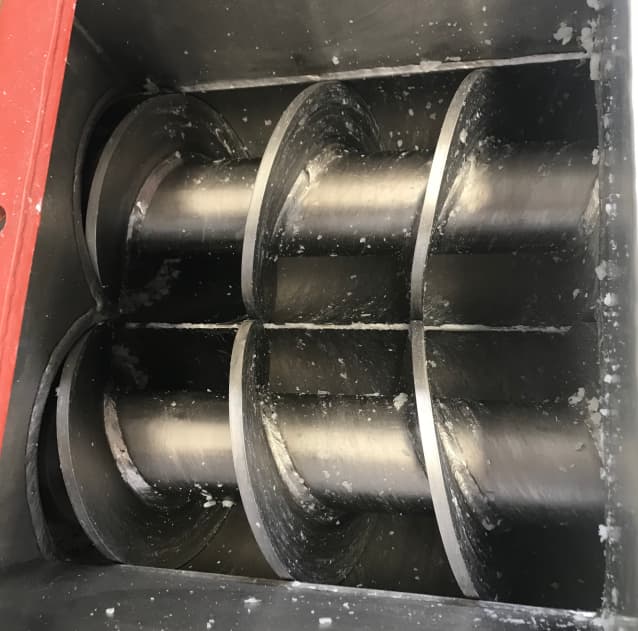
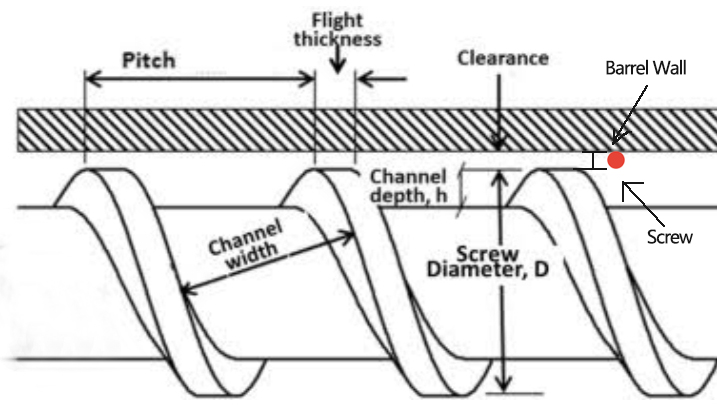
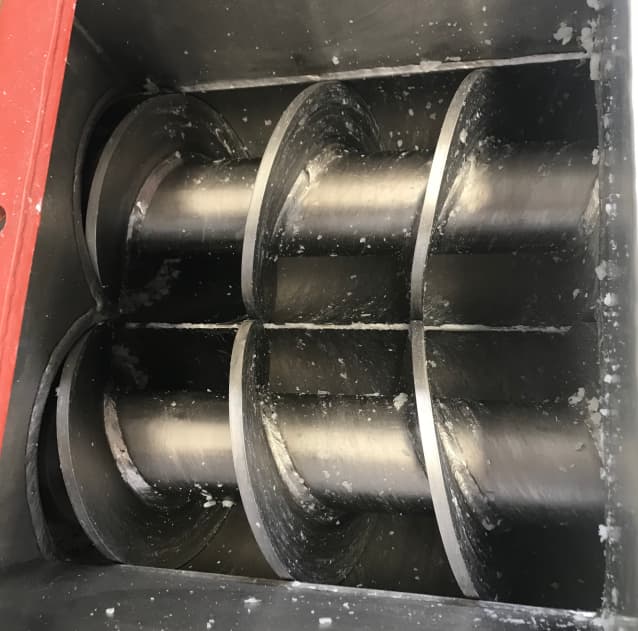
The screw is the heart of the extruder and a critical component. The performance of the screw determines the extruder's productivity, plasticization quality, dispersion of additives, melt temperature, and power consumption. The optimized L/D ratio of screw range should be in 3.8~4.2. Zhonghui Machinery offering two kinds materials for all plodders.
Carbon steel and stainless steel 304 materials.
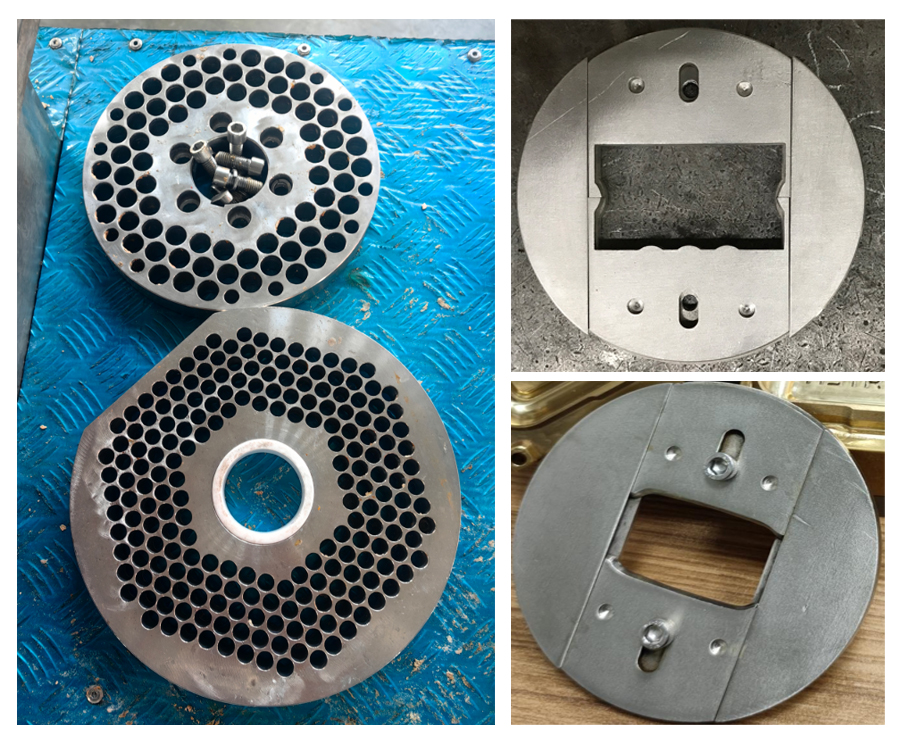
5.6.Extruder Head and Dies:
The die head and the die are collectively referred to as the die head.
The die head converts the rotational motion of the material into linear motion; heat facilitates material fusion, ensuring a uniform and steady flow into the die.
The die shape is customizable and determines the profile of the extruded strand.
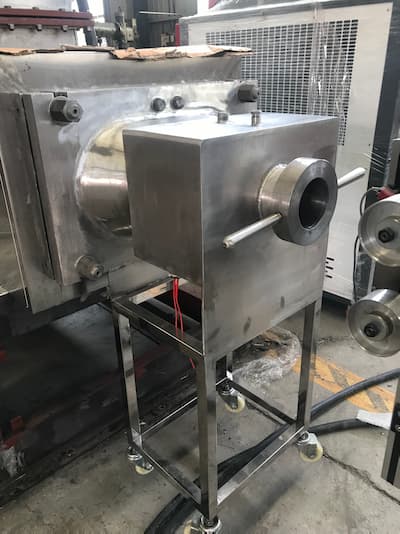
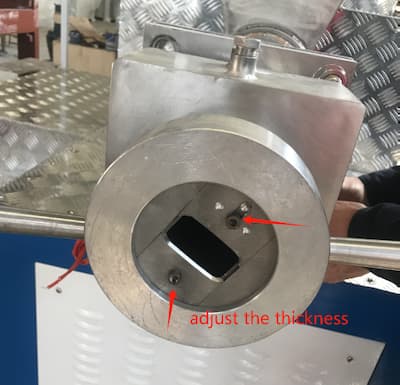
Zhonghui plodders and refines are avaiable in simplex(one stage),duplex(two stage) configuration. Either in single screw or double screw versions ,to satisfy different demand of productivity.
Connected to the vacuum dryer, the soap pelletizer processes vacuum-dried soap flakes by refining and extruding them to enhance transparency and density;
A blade at the machine head then cuts the material into granules, producing soap pellets (a semi-finished product,s also called soap noodles).
For material that does not require further grinding, it can also be extruded directly into soap bars here.
It is worth noting, however, that whether producing soap pellets or soap noodles, the pelletizing or plodding machine utilizes a twin-screw design.
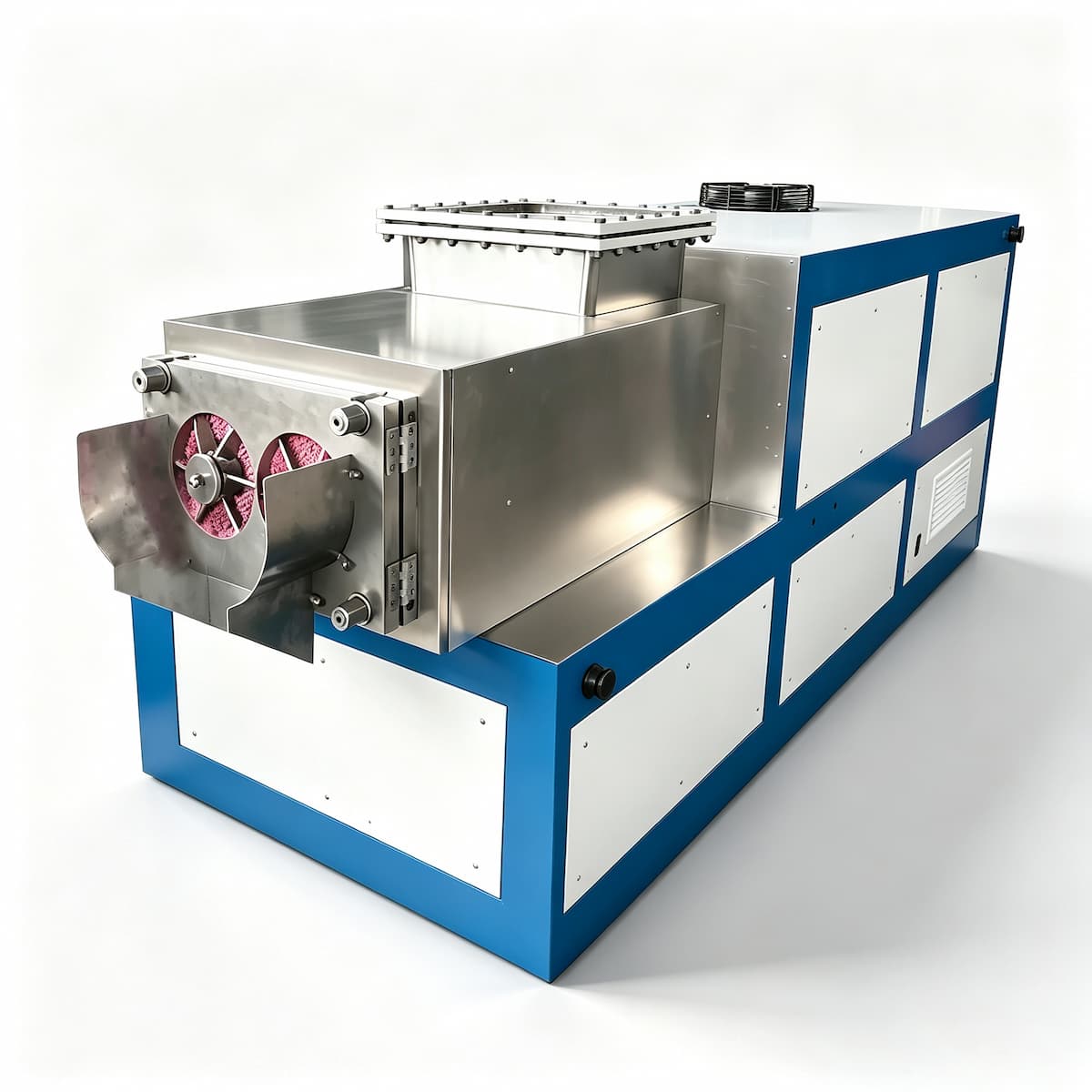
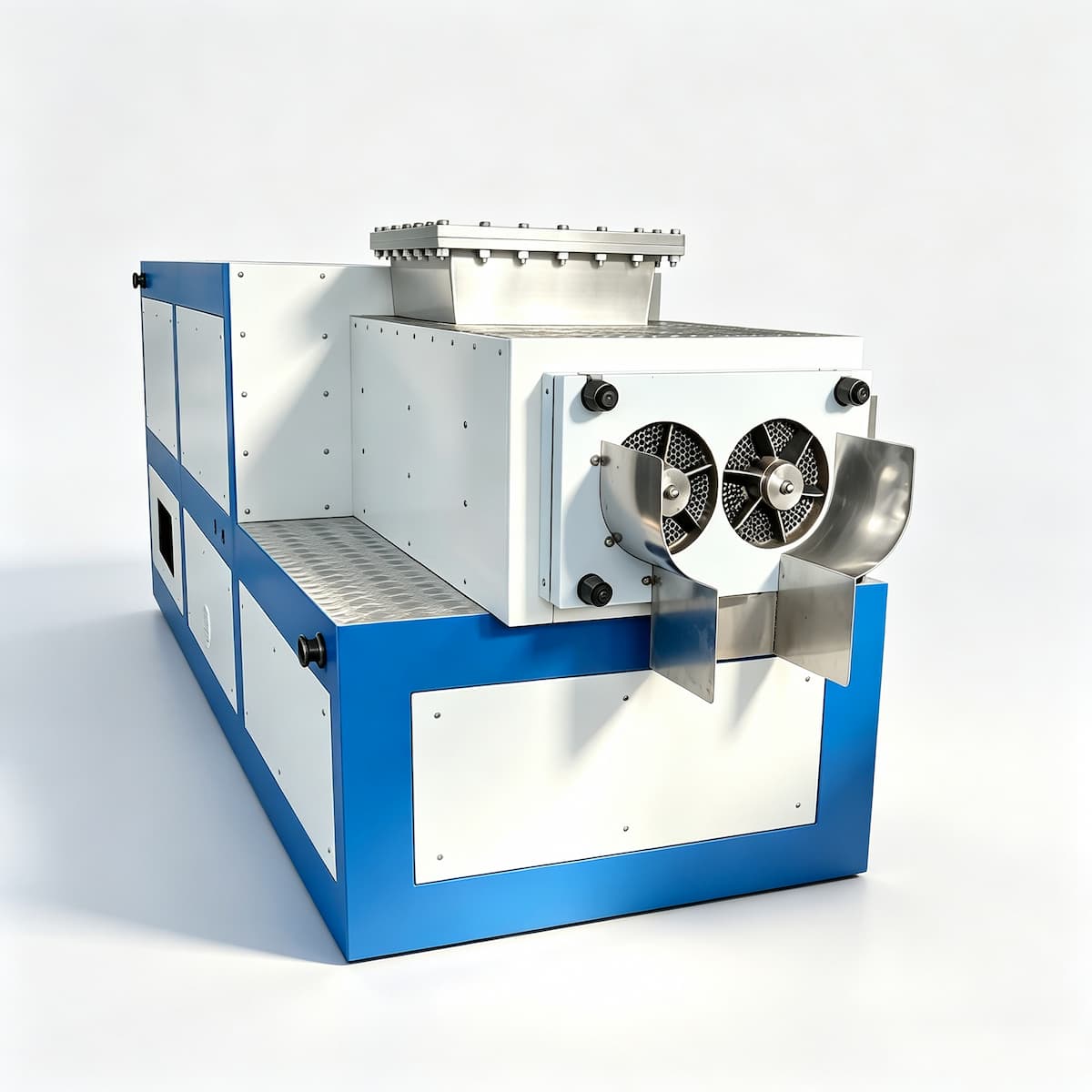
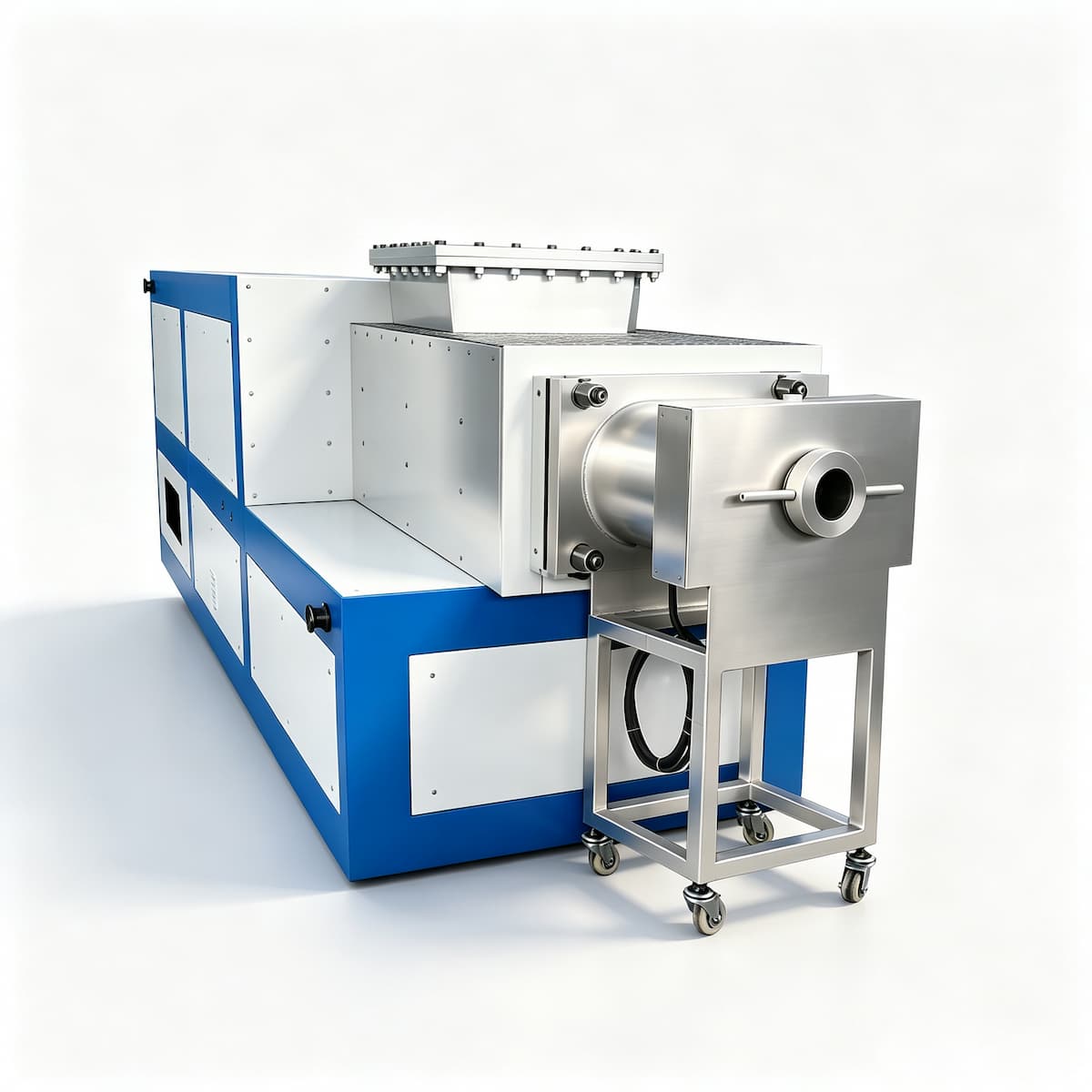
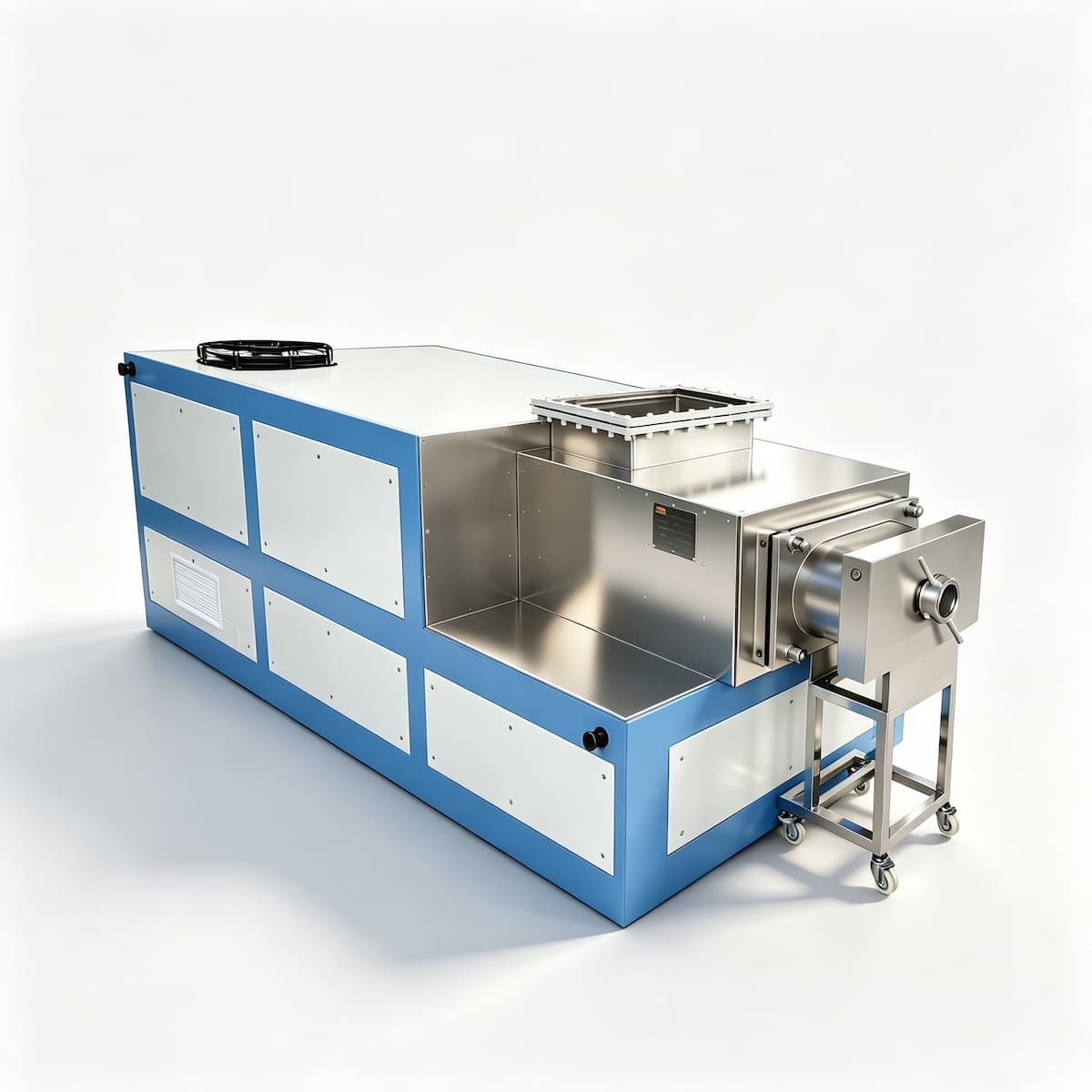
It is a combination of intimate homogenization and filtering of the soap. It is designed to refine the soap noodle again and make it good appearance and more density structure, which ensures good quality of end soaps and no crack till the soap is used up.
The aim of refining process is to produce a homogeneous and uniform soap. eliminating dry points which are difficult to soluble.
The soap plodder Stage as commonly defined is not a precise parameter for the following reasons:
1. Different Simplex Refiners have different features (L/D ratio, installed kW, etc.)
2. Mechanical conditions and maintenance determine sensible differences in the performances (i.e. a worn-out screw reduces the refining)
3. use of screens with different mesh sizes gives different soap refining results.
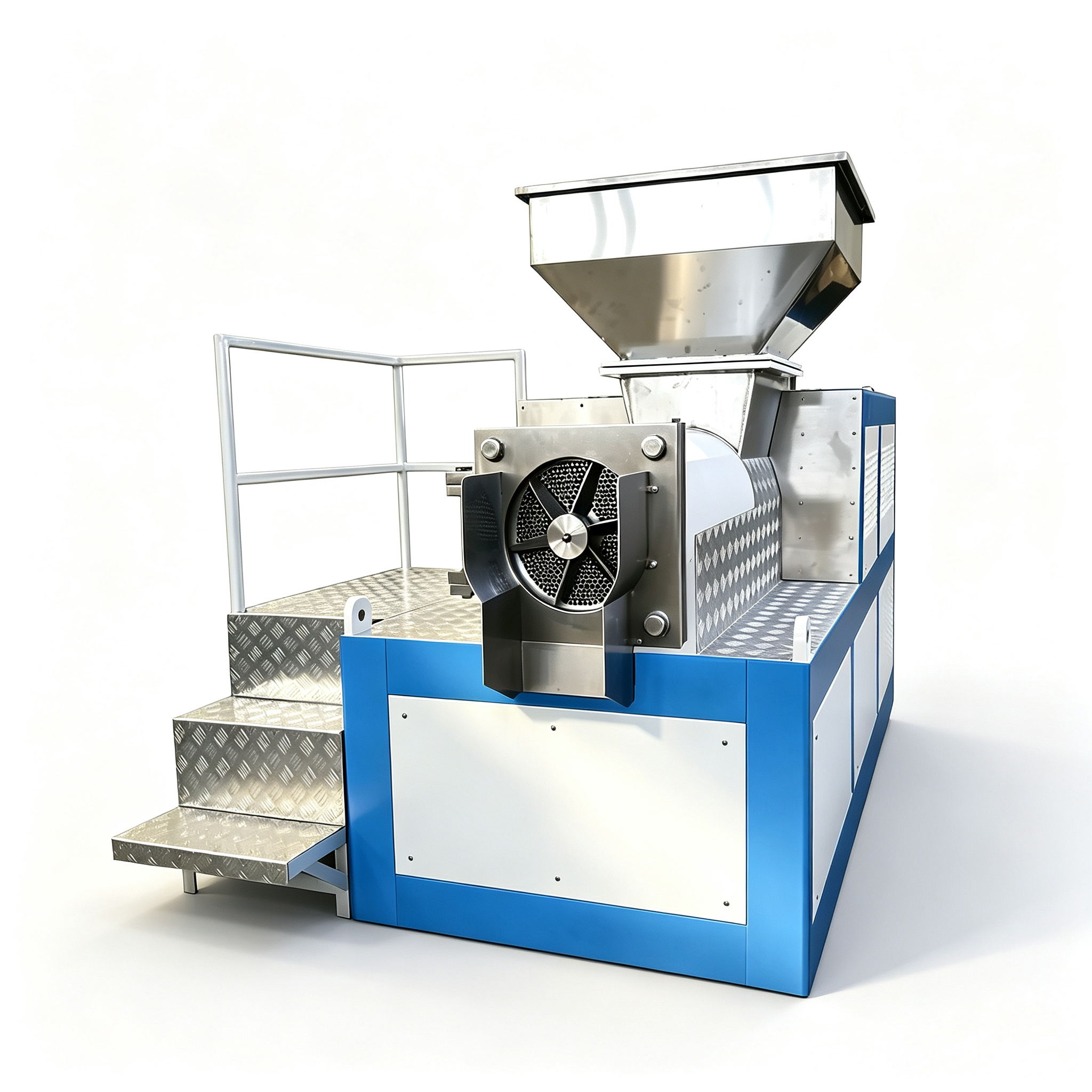
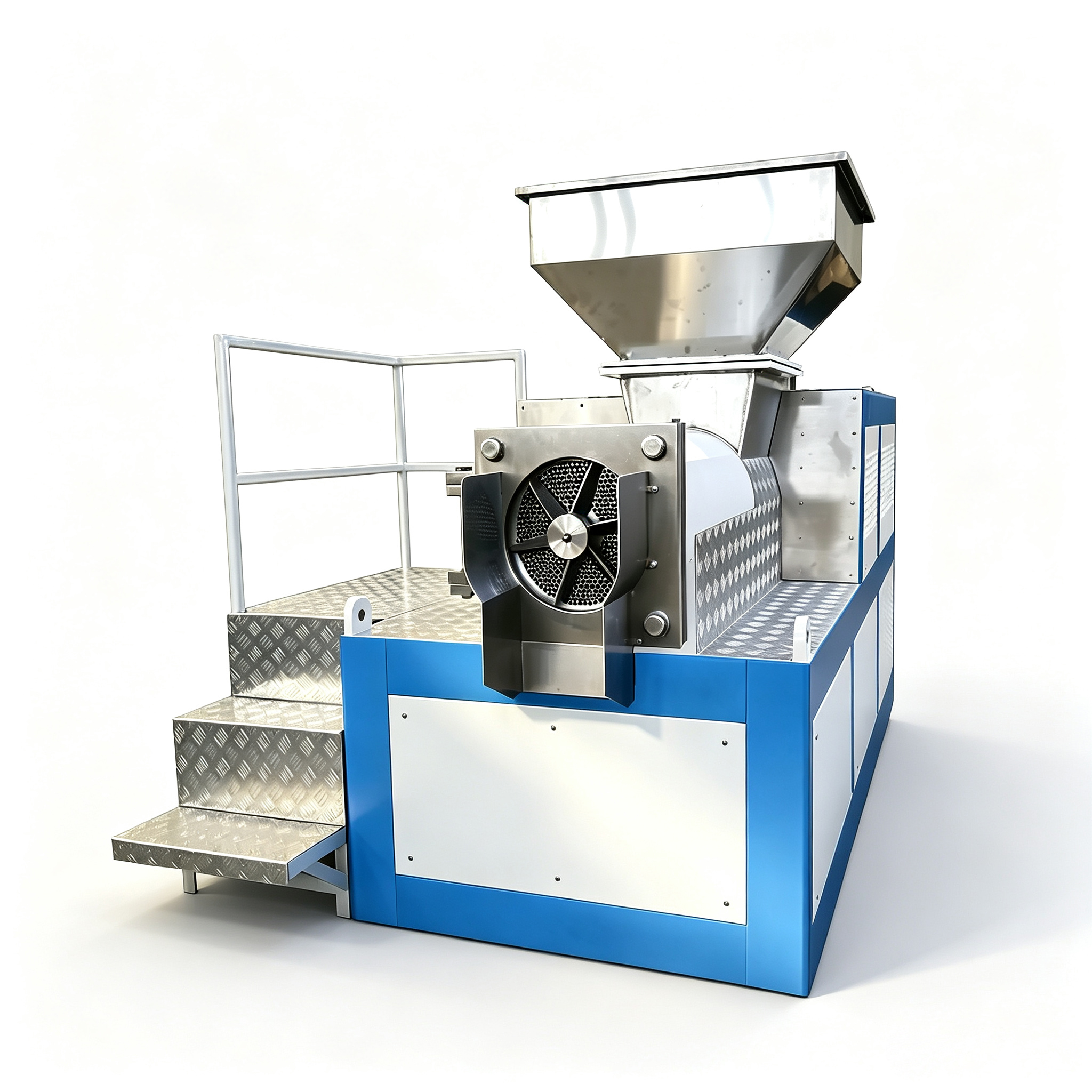
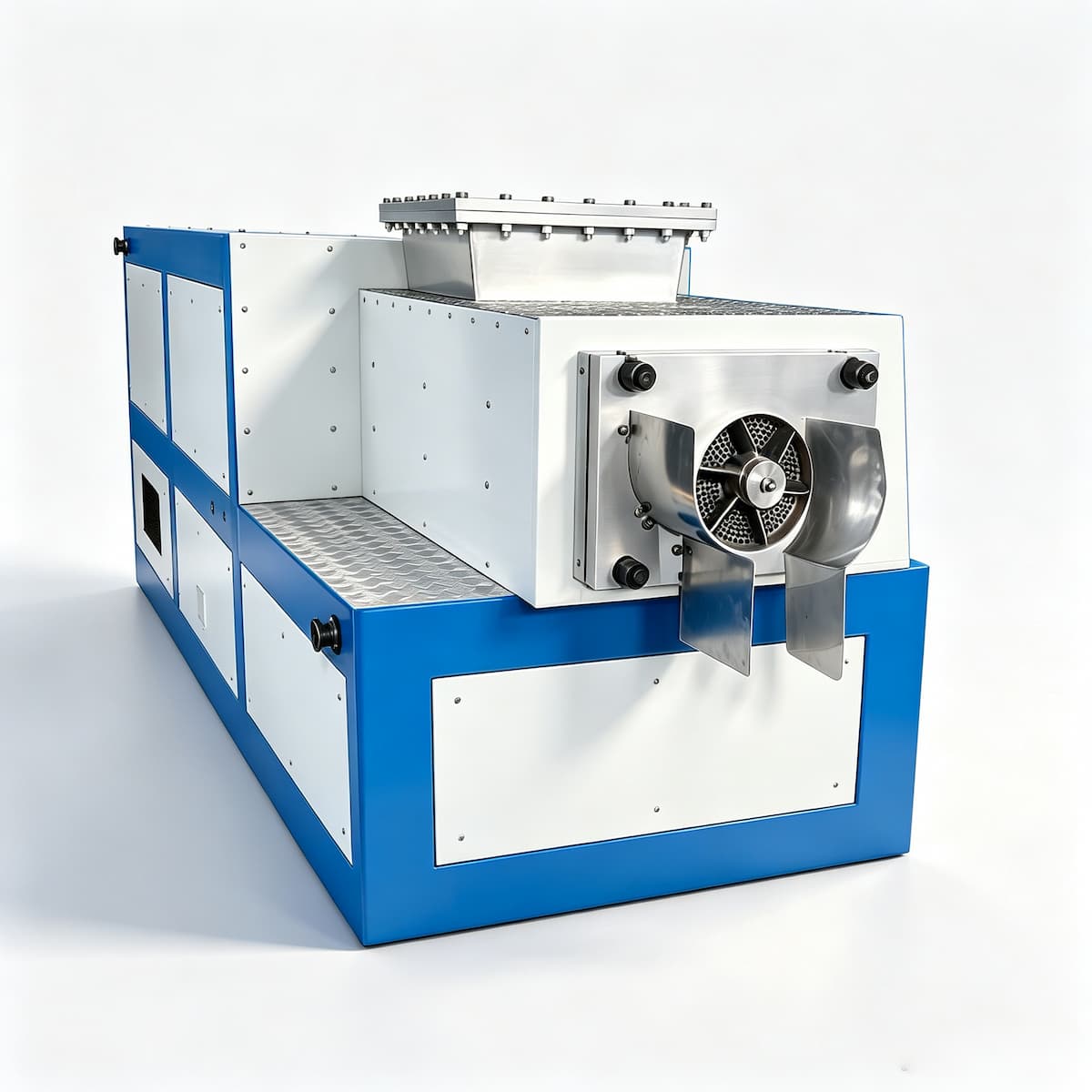
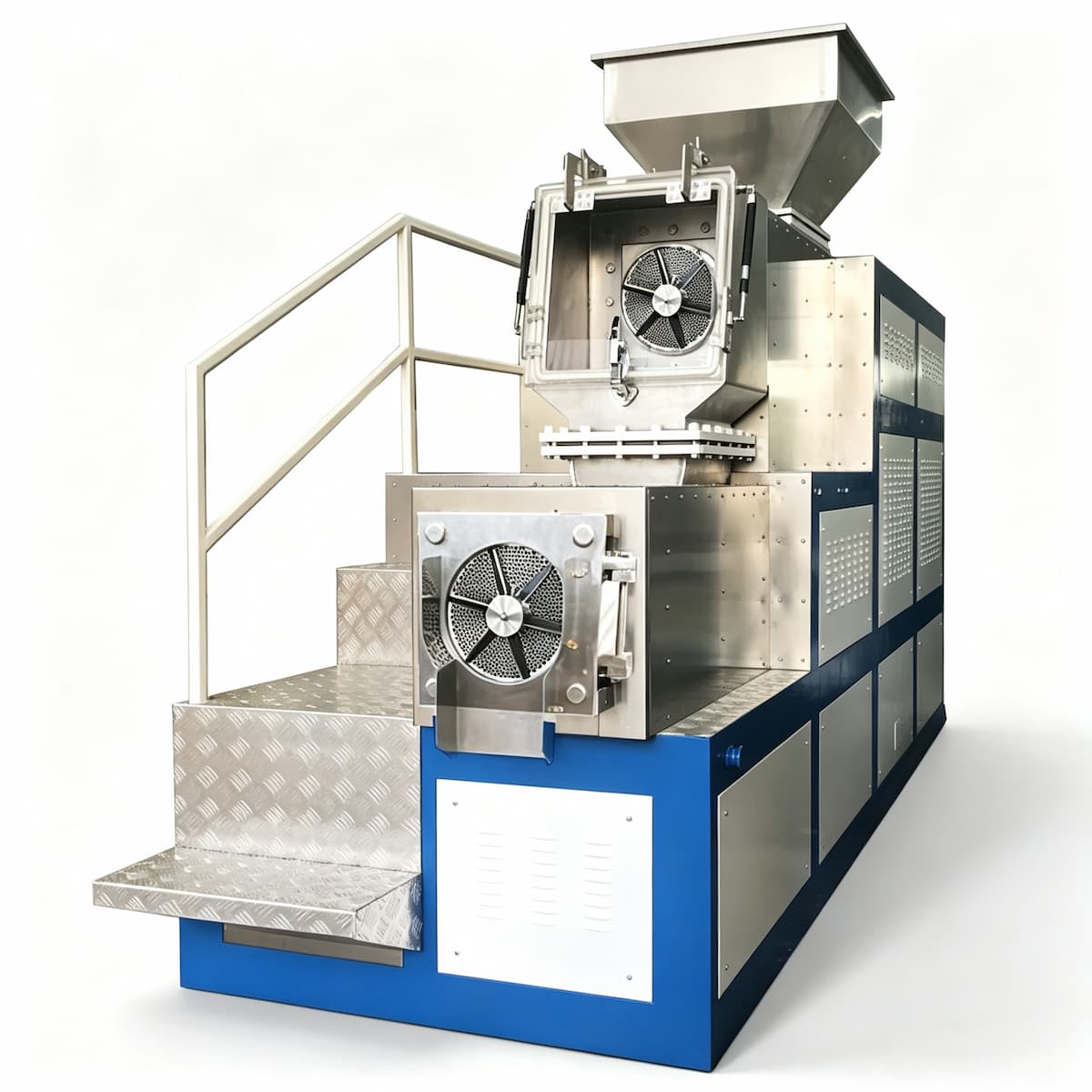
Duplex Vacuum Plodders is core step of soap finishing.
It is designed for homogenizing, refining, compressing and extruding the processed soap in form of a continuous soap bar, through the die-plate which gives the required shape to the soap bar.
Zhonghui Plodders and Refiners are available in simplex (one stage) and duplex (two stages) configuration, either in single screw or double screw versions, to satisfy any demand of productivity.